

Yahaya Bello and the APC Protection Machine: How Corruption Became Political Qualification
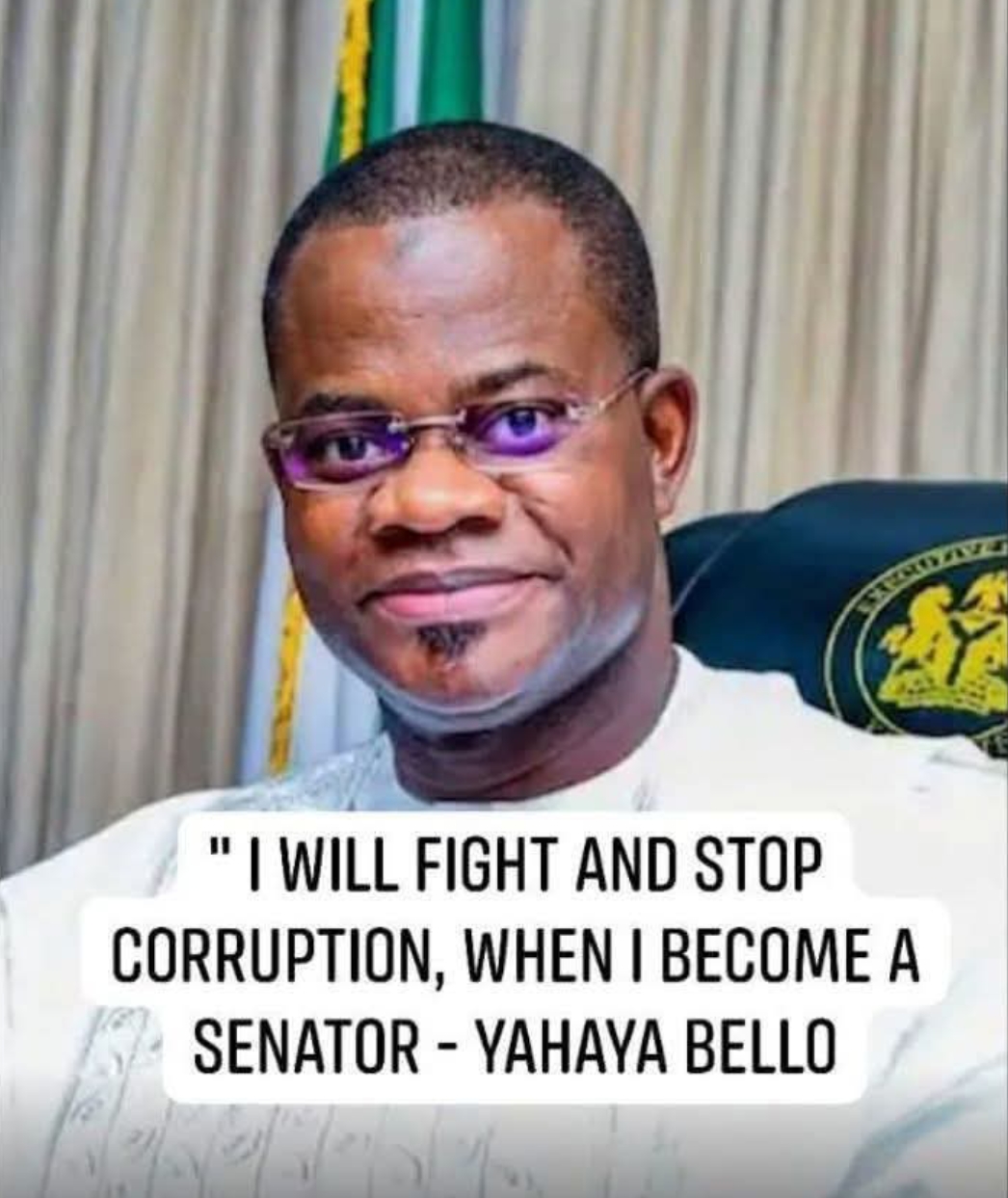

The irony in the viral statement credited to former Kogi State governor Yahaya Bello has sparked outrage across Nigeria’s political space.
A man repeatedly dragged into the spotlight over massive corruption allegations now speaking about “fighting corruption” has left many Nigerians shaking their heads in disbelief.
During and after his tenure as governor of Kogi State, Yahaya Bello became one of the most controversial political figures in Nigeria.
The Economic and Financial Crimes Commission (EFCC) accused him in multiple cases involving alleged money laundering, criminal breach of trust, and diversion of public funds running into tens of billions of naira.
The EFCC filed charges alleging over ₦80 billion in fraud and later introduced fresh allegations reportedly exceeding ₦110 billion.
Critics across Nigeria have continued to question how a politician facing such heavy allegations could still remain politically relevant and even position himself for another elective office. On social media and public discourse, many Nigerians describe this as evidence of a political system where powerful figures are often protected by influence, party structures, and elite connections.
However, it is important to note that these are allegations before the courts, and Yahaya Bello has denied wrongdoing. No final conviction has been delivered against him as of the latest public reports.
Still, public anger remains intense.
For many citizens struggling with hardship, unpaid salaries, insecurity, and poor infrastructure, hearing anti-corruption rhetoric from politicians accused of financial misconduct feels like mockery. Nigerians have repeatedly watched leaders campaign as reformers only to become symbols of the same corruption they once condemned.
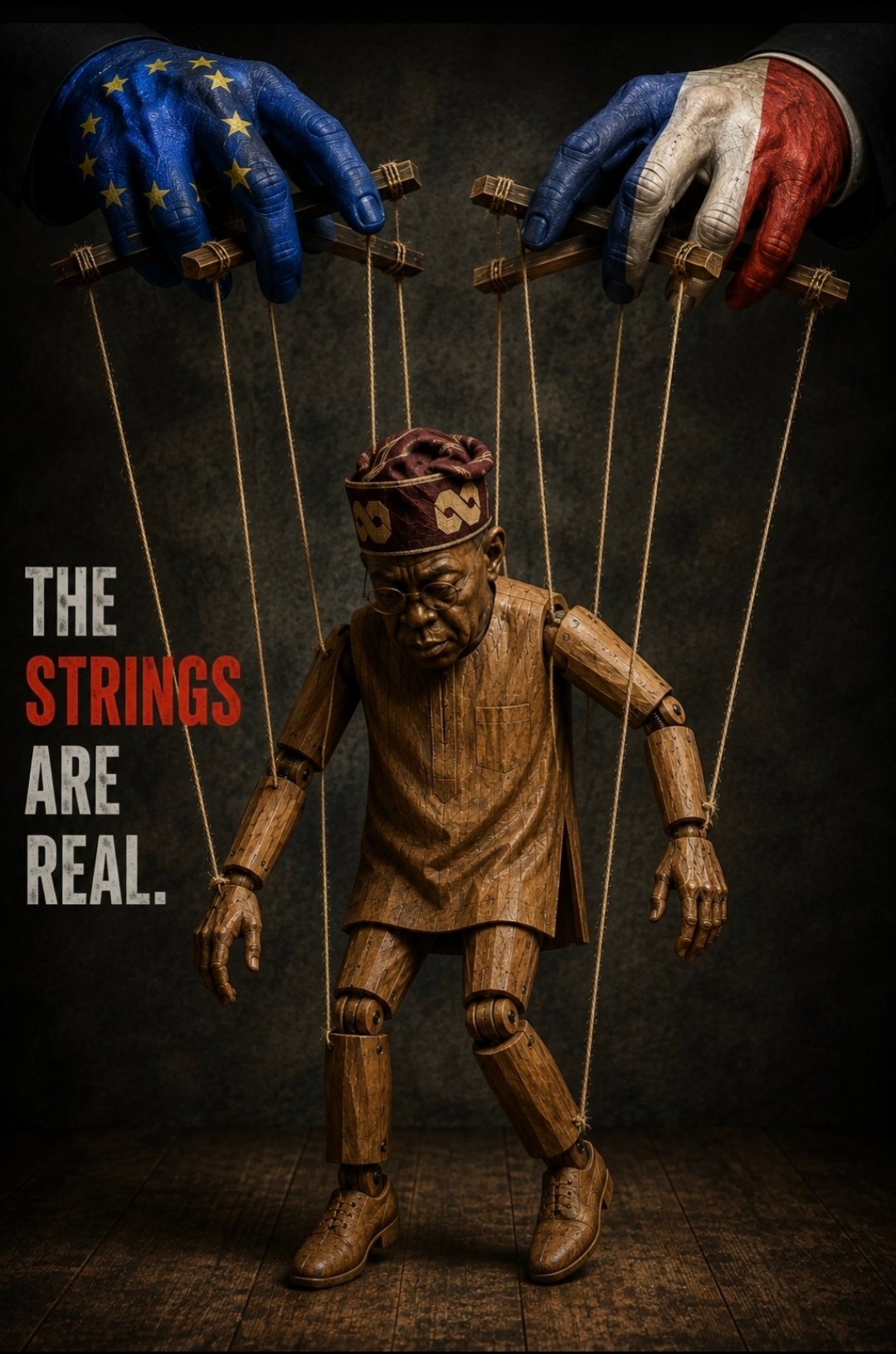
The bigger issue many observers raise is not just Yahaya Bello alone, but the wider political culture in Nigeria where corruption allegations rarely end political careers. Opponents of the ruling All Progressives Congress argue that powerful politicians often enjoy political shielding while ordinary citizens face swift punishment for far smaller offences.
Across online discussions, many Nigerians openly questioned how someone under such intense EFCC scrutiny could continue moving freely within elite political circles.
To many citizens, the viral quote now represents a deeper contradiction in Nigerian politics: those accused of corruption frequently return to the public stage preaching accountability.
And that contradiction continues to fuel public distrust in Nigeria’s political system.
Leave a Reply
Your email address will not be published. Required fields are marked *